


If you dread bedtime, this is for you. The tossing and turning. Waking at 3 a.m. and watching the clock. Dragging yourself out of bed at 7, groggy and wondering how you'll get through the day.
Now imagine pulling the comforter up tonight and drifting off soon after your head hits the pillow. The next thing you notice is light coming through the blinds, and you wake up feeling rested.
No prescription sleeping pills. No new mattress. No breathing tricks or counting backward from 100. Just one simple step each night that's about as easy as drinking a glass of water.
Stay with me for a few minutes and I'll show you why it works, starting with something that may surprise you: you might not need eight hours to wake up rested.

Who I am, and why I went looking
I'm Dr. Josh Levitt. I've been a practicing naturopathic physician for over 20 years. I earned my doctorate from Bastyr University in Seattle, run a practice in New Haven, Connecticut, and serve as a clinical preceptor for medical residents at the Yale School of Medicine.
Over those years I've seen how much poor sleep takes out of people. It drains energy and focus, clouds memory, and studies link chronic short sleep with higher risk of heart problems.
Too often, the standard answer is a five-minute appointment and a prescription. Sleeping pills help some people, but they can come with side effects like grogginess, memory problems and, in rare cases, sleepwalking or even "sleep driving." I wanted a gentler option for my patients, so I started digging through the research.
What a study of 60,000 people found about sleep
Researchers tracked the sleep of more than 60,000 adults with wrist-worn devices, analyzing over 10 million hours of sleep data. Their conclusion turned the usual advice on its head: how regularly people slept predicted their risk of early death better than how long they slept.
In other words, a consistent, uninterrupted night of sleep matters enormously. And that should take some pressure off. If you've been lying in bed anxious about hitting "eight hours or bust," that anxiety itself can keep you awake. It's a cruel cycle, and I've watched it play out in plenty of patients.
To be clear, I'm not telling you to sleep less. Seven to eight hours of deep, steady sleep is a great goal. But quality and consistency are where the real gains are, and they're more within reach than you might think.
The best sleepers you've never heard of

The Hadza are hunter-gatherers in northern Tanzania. They sleep outdoors or in simple huts with no heating or air conditioning, and they typically sleep a little over six hours a night. Yet researchers found that chronic insomnia was rare among them, and they wake with the energy to hunt and gather all day.
When scientists studied their sleep, they noticed something interesting. The strongest cue for their sleep wasn't the shift from light to dark. It was the nightly drop in temperature.
To reach and stay in deep sleep, your body needs its core temperature to gradually decline through the night.
Sleeping in the open, the Hadza get that gradual cool-down from nature itself. And deep sleep is where the restorative work happens: your body repairs muscle and tissue, clears waste from the brain, supports healthy blood sugar, and keeps appetite hormones like leptin in balance.
Your internal sleep thermostat may be set too high
Many of us go to bed with a core temperature that's slightly too high, even when we feel perfectly comfortable. Late meals, alcohol, evening screens and everyday stress can all keep it elevated.
And no, the fix isn't sleeping outside or cranking down the air conditioning. You can keep your cozy comforter. What helps is supporting your body's own nightly cool-down from the inside.
A clue from the baobab tree

One staple of the Hadza diet is baobab, the fruit of Africa's iconic baobab tree. Its tangy, pale pulp is mixed into a drink a little like a fruity smoothie. Baobab pulp naturally contains minerals including magnesium, and it pointed me toward two nutrients with real research behind them for sleep.
Glycine
Glycine is an amino acid, and it's one of the most interesting sleep nutrients I've come across. Japanese researchers found that taking glycine before bed improved sleep quality in people with unsatisfactory sleep, helping them fall asleep faster and reach deep sleep sooner. Glycine appears to work in part by helping lower core body temperature. Participants also reported less fatigue the next day.
Magnesium, in the right form
In a double-blind study of older adults with sleep problems, eight weeks of daily magnesium led to falling asleep faster, longer sleep, better sleep efficiency and lower levels of the stress hormone cortisol. Magnesium also supports melatonin production and has a calming effect on the body and mind. Yet the Cleveland Clinic notes that roughly half of Americans don't get enough of it.
But the form matters. Magnesium oxide, chloride, citrate and sulfate are common, but for sleep, I prefer magnesium glycinate: magnesium bound to glycine. You get both nutrients working together in one.
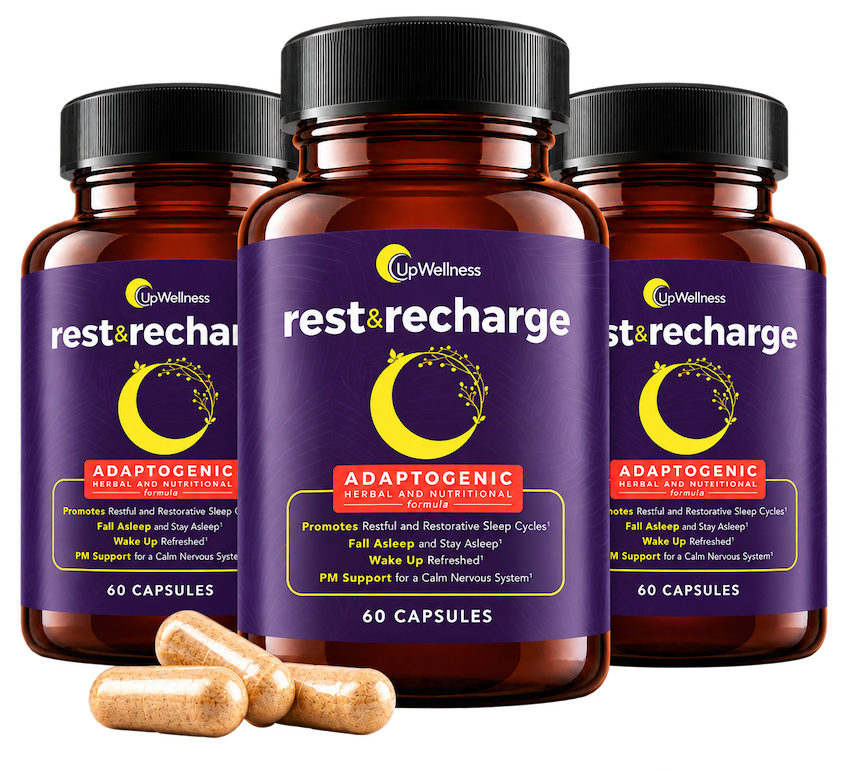
Introducing Rest & Recharge
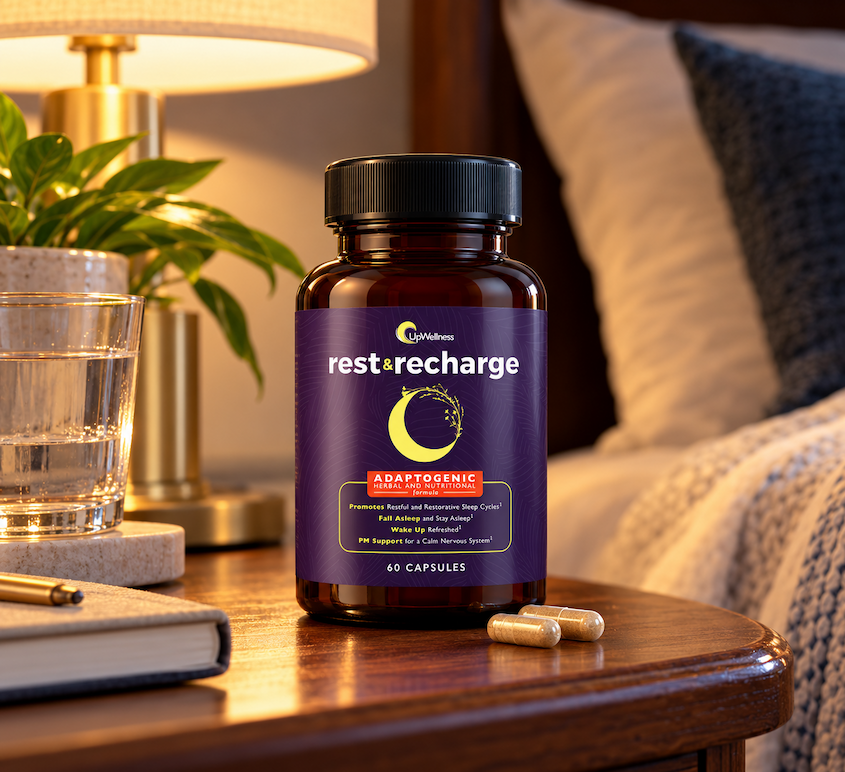
Rest & Recharge pairs glycine and magnesium glycinate with six more ingredients chosen to complement each other. Here's what's inside and why.
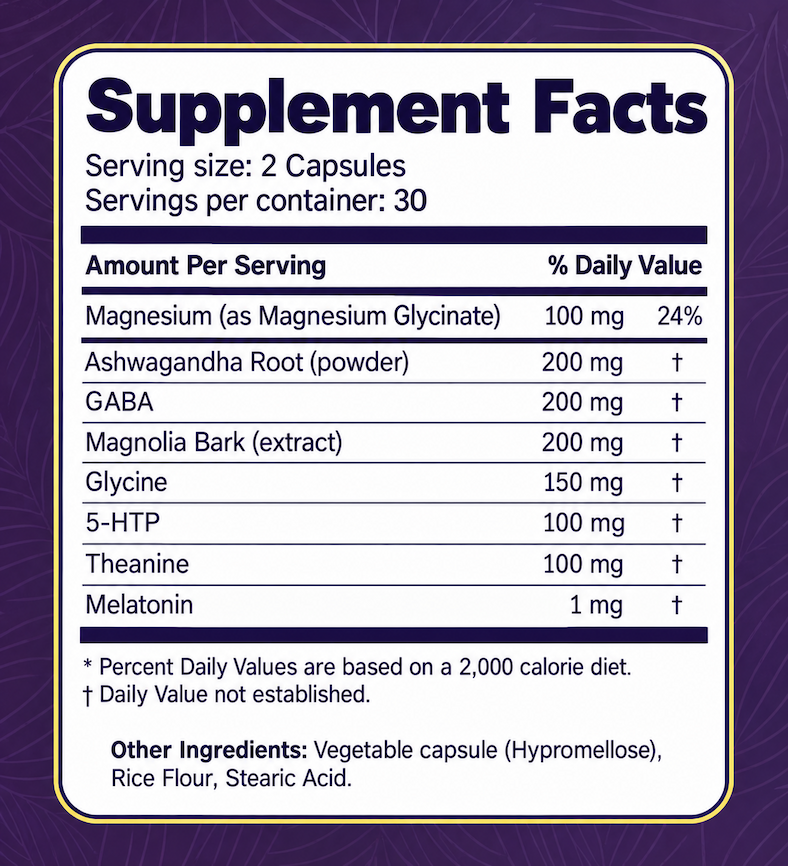
Several of these, like glycine, GABA, serotonin and melatonin, are compounds your body already makes. The rest are herbs and minerals found in nature.
To use it, take two small capsules 30 to 60 minutes before bed. By the time you tuck in, your mind and body are ready to wind down.
What customers are saying
"This is an excellent product. After taking it for just a few days, I am now sleeping through the night. It's great to wake up from a sound sleep."
Nancy V.
"I just received Rest & Recharge yesterday and took it last night. I fell asleep within 30 minutes, slept well all night, and woke up without any side effects."
Sam G.
"It relaxes you first, then you rest comfortably. I wake up feeling well rested. Some sleeping products make you feel groggy and you're still tired."
Lois Ann
"This works! I take two capsules about an hour before bed and I'm sleeping better than I have in months, with no fog in the morning. If I get up during the night, I can fall back asleep."
Sandra P.
Many customers notice a difference within the first two weeks, and some within the first few nights. Individual results vary.
Choose your supply
Made in the USA in a GMP-compliant facility. Regularly $69.95 a bottle; each bottle is a 30-day supply.
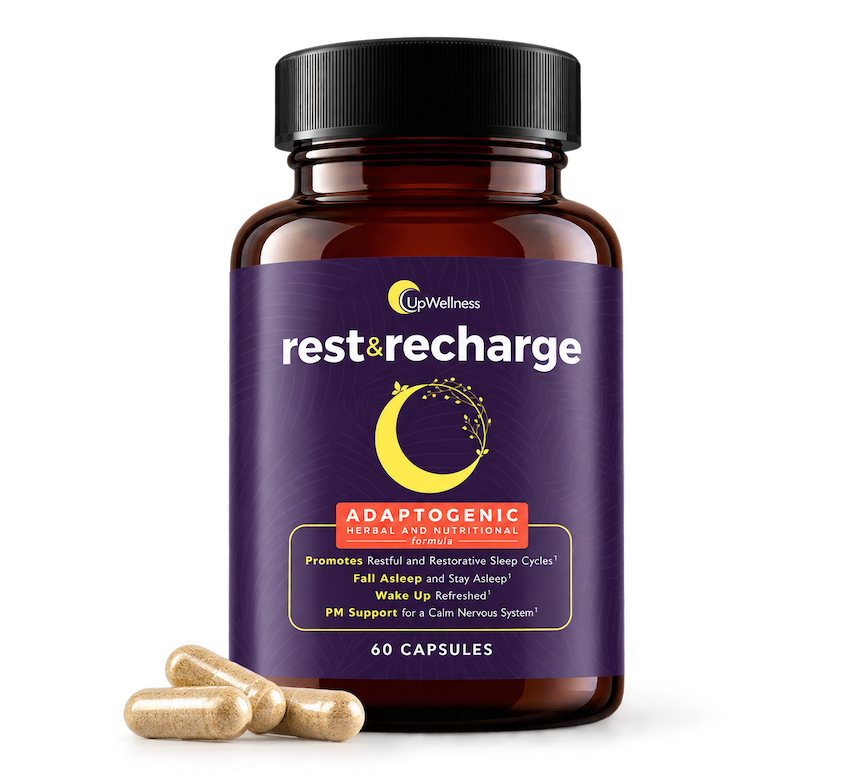
6 bottles
180-day supply
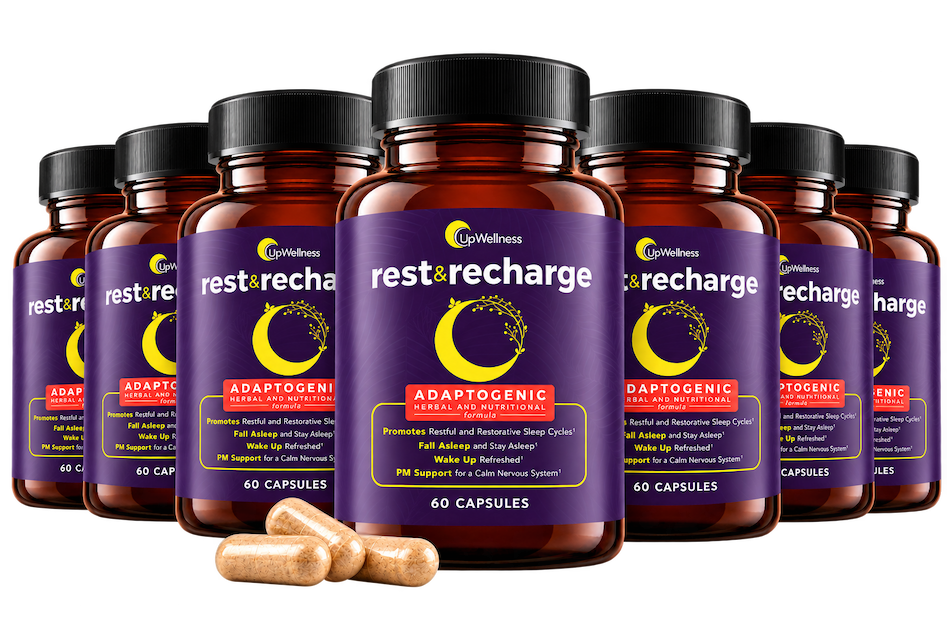
Total $179.70 $419.70, you save $240

Love it, or it's free
You have a full 60 days to decide. If you're not happy with how you're sleeping, email orders@upwellness.com for a full refund of your purchase.
Common questions
What makes Rest & Recharge different?
It's built around supporting your body's natural nightly drop in core temperature, with glycine and magnesium glycinate at its center, plus six complementary ingredients for a calm mind and steady sleep.
How soon will I notice a difference?
It varies from person to person. Most customers notice an improvement within the first two weeks, and many within the first few nights.
How do I take it?
Take two capsules 30 to 60 minutes before bed.
Is it safe to take with medication?
If you take any prescription medication, are pregnant or nursing, or have a medical condition, check with your doctor or pharmacist first. Bring the ingredient label so they can advise you. This is especially important for 5-HTP if you take antidepressants or other serotonin-affecting medications.
How does the money-back guarantee work?
You have 60 days from your purchase date. If you're not satisfied for any reason, email orders@upwellness.com for a full refund.
What is VIP auto-delivery?
An optional subscription that ships a new supply before you run out, monthly, every three months or every six months depending on your package. Your card is billed with each shipment, VIP customers get priority when stock is low, and you can cancel anytime by emailing orders@upwellness.com or calling 1-800-876-2196.
How long does shipping take?
Most orders arrive in 3 to 5 business days with standard shipping.